Back Pain Causes: Understanding the Source of Your Discomfort
Back pain is one of the most common reasons people seek care — and one of the most misunderstood. Whether it comes on suddenly after lifting something heavy, or quietly sneaks up on you after months of sitting at a desk, back pain has a way of stopping life in its tracks. If you’ve been dealing with aching, stiffness, or sharp discomfort along your spine, you’re not alone — and more importantly, you don’t have to just live with it. Understanding back pain causes is the first step toward finding real, lasting relief.
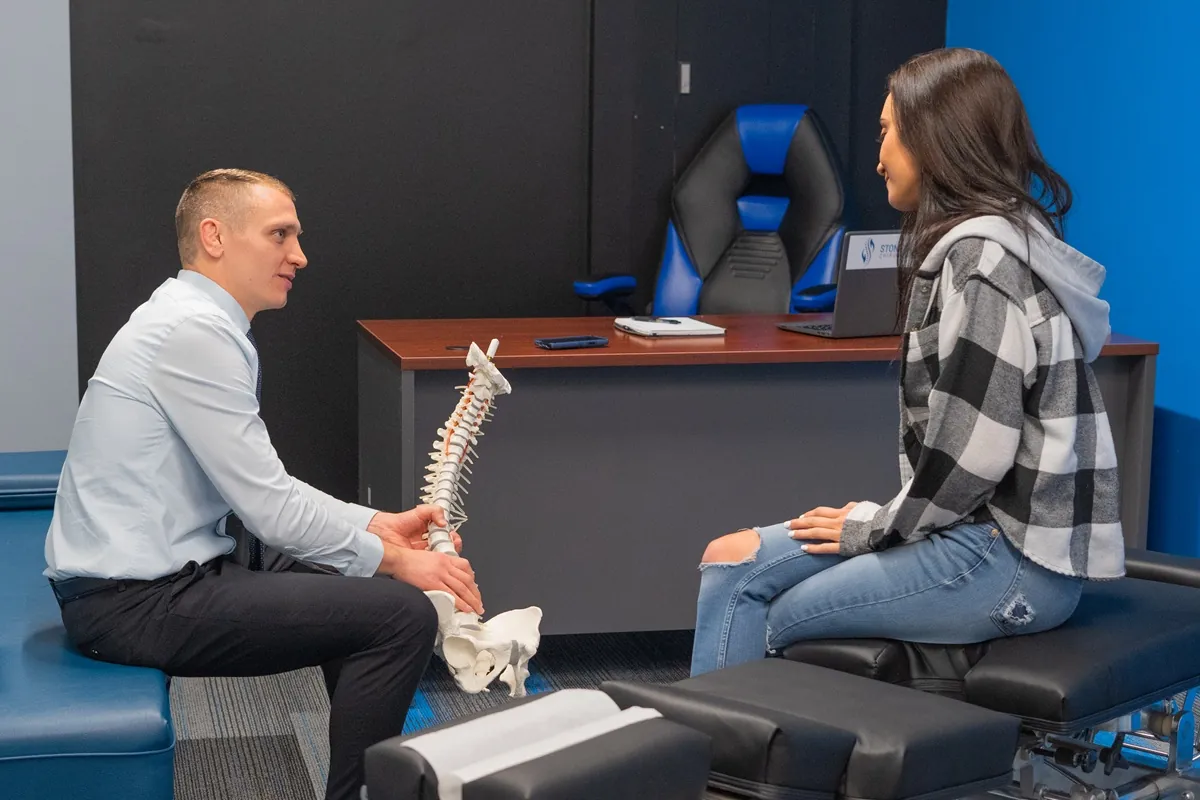
At Stonelake Chiropractic in Austin, TX, Dr. Jacoby Bergeron works with patients every day who come in confused, frustrated, and sometimes a little scared about what their back pain might mean. The good news is that most back pain has identifiable, treatable causes — and a chiropractor can often help you address the root of the problem rather than just masking the symptoms.
What Is Back Pain, Exactly?
Back pain refers to discomfort, stiffness, achiness, or sharp sensations anywhere along the spine — from the base of the skull down to the tailbone. It can be acute (lasting less than six weeks), subacute (six to twelve weeks), or chronic (persisting beyond twelve weeks). The lower back is the most commonly affected region, though the mid-back and upper back are frequently involved as well.
Common Causes of Back Pain
Back pain rarely comes from a single isolated event. In most cases, it develops from a combination of mechanical, postural, and lifestyle factors that build up over time. That said, there are some well-recognized causes that Dr. Jacoby Bergeron sees frequently here in Austin.
Muscle and Ligament Strain is the most common culprit. When the muscles or ligaments supporting the spine are stretched beyond their normal range — whether from a sudden awkward movement, heavy lifting, or repetitive stress — they can tear slightly, causing inflammation and pain. This type of injury often feels like a dull, persistent ache or a sharp catch when you move in certain directions.
Spinal Joint Dysfunction is another very common cause. The spine is made up of individual vertebrae connected by small joints called facet joints. When these joints become restricted, misaligned, or irritated, they can produce significant local pain and even radiating discomfort into the hips, buttocks, or legs. Chiropractors refer to these restrictions as subluxations, and addressing them is a core part of chiropractic care.
Herniated or Bulging Discs occur when the soft, gel-like cushions between the vertebrae shift out of position. This can put pressure on nearby nerves, causing not only back pain but also tingling, numbness, or weakness that travels down one or both legs — a condition commonly known as sciatica.
Degenerative Disc Disease is a natural process of aging where the discs between the vertebrae lose hydration and height over time. While the name sounds alarming, many people with disc degeneration live pain-free. It becomes a problem when the degenerative changes start to compress nerves or reduce the spine’s ability to absorb mechanical stress properly.
Scoliosis and Postural Imbalances can also lead to chronic back pain. When the spine curves abnormally or one side of the body carries more load than the other, certain muscles and joints become overworked while others weaken — a recipe for ongoing discomfort.
Understanding the Anatomy Behind Your Pain
The spine is an incredibly complex structure. It’s made up of 33 vertebrae, 23 intervertebral discs, hundreds of muscles, dozens of ligaments, and a vast network of nerves that branch out to every part of the body. That complexity is part of why back pain can feel so different from person to person — and why identifying the source matters so much.
The lumbar spine (lower back) bears the most weight and endures the most mechanical stress during everyday activities like sitting, standing, bending, and lifting. It’s no surprise, then, that this region accounts for the majority of back pain complaints. The thoracic spine (mid-back) is more structurally stable due to its connection with the rib cage, but it’s still vulnerable to postural strain — especially in people who spend long hours at a computer. The cervical spine (neck) is less commonly thought of as “back pain,” but tension and dysfunction in the neck can absolutely radiate into the upper back and shoulders.
When something goes wrong in any of these regions — a joint loses its normal motion, a disc shifts, a muscle spasms, or a nerve gets compressed — pain signals are sent to the brain. Those signals are your body’s way of saying that something needs attention. Rather than silencing that alarm with medication alone, chiropractic care works to find and address what’s actually triggering it.
Lifestyle Factors That Contribute to Back Pain
Here in Austin, TX, we have a busy, active population — but we also have a lot of desk workers, long commuters, and people who lead sedentary lives despite the city’s active culture. Lifestyle choices play a significant role in both the development and persistence of back pain, and they’re often the factors that are most within our control.
Prolonged Sitting is one of the biggest contributors to back pain in today’s world. When you sit for hours on end — especially with poor posture — the muscles supporting your spine fatigue, the hip flexors shorten, and the lumbar spine is placed under sustained pressure. Over time, this creates an environment where pain becomes almost inevitable.
Weak Core Musculature is closely linked to back pain as well. The core isn’t just your abdominals — it includes the deep muscles of the spine, the pelvic floor, and the diaphragm. When these muscles aren’t functioning well together, the spine loses its built-in support system and becomes more vulnerable to injury and strain.
Poor Sleep Posture is often overlooked. Sleeping on an unsupportive mattress or in a position that twists or strains the spine can lead to morning stiffness that gradually turns into a chronic issue. Dr. Jacoby Bergeron frequently discusses sleep habits with patients at Stonelake Chiropractic as part of a well-rounded care approach.
Stress and Emotional Tension also play a real, physiological role in back pain. When we’re stressed, the nervous system shifts into a heightened state, muscles tighten — particularly in the neck, upper back, and lower back — and pain sensitivity increases. This isn’t imaginary; it’s a well-documented mind-body connection that’s important to acknowledge.
Excess Body Weight, particularly around the midsection, shifts the center of gravity forward and places additional mechanical stress on the lumbar spine and its supporting structures. Even modest changes in body composition can make a meaningful difference in back pain over time.
How Chiropractic Care Fits In
Chiropractic care offers a non-invasive, drug-free approach to identifying and addressing the root causes of back pain. Rather than focusing solely on symptom relief, chiropractors like Dr. Jacoby Bergeron look at the whole picture — how the spine is aligned, how the joints are moving, how the surrounding muscles and soft tissues are functioning, and how lifestyle factors may be contributing to the problem.
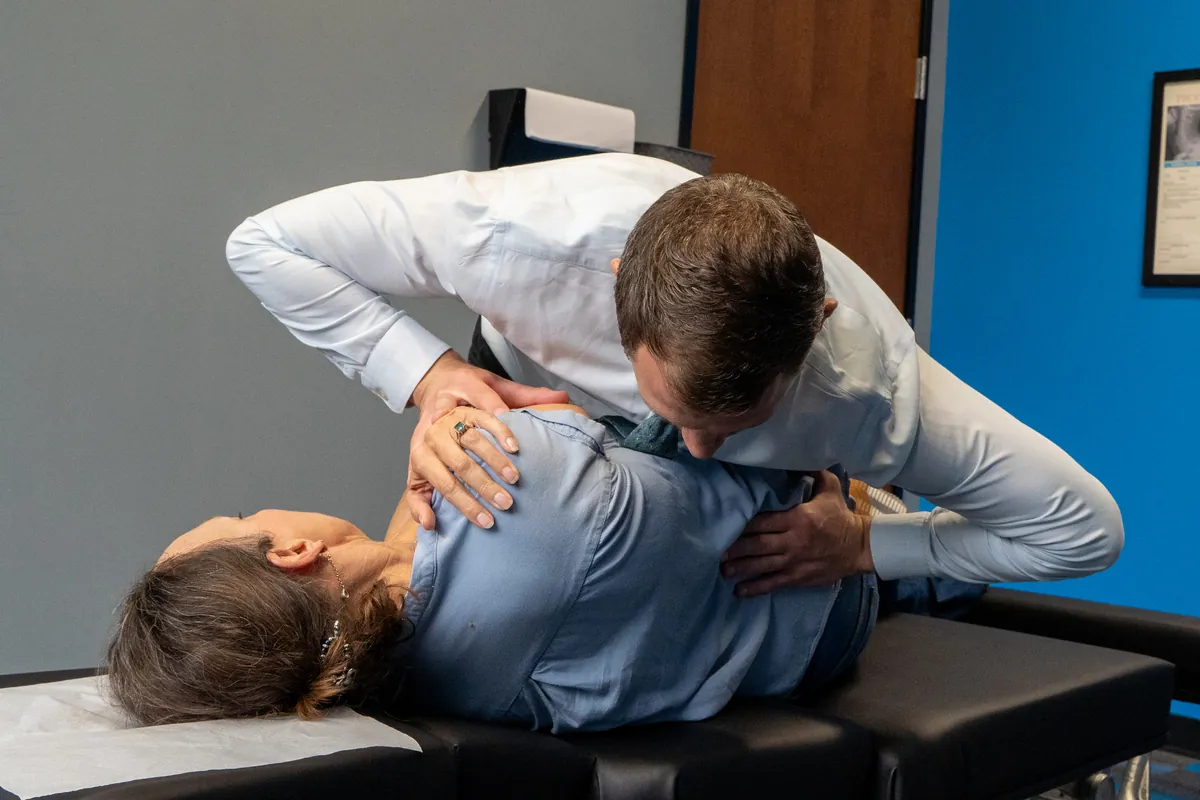
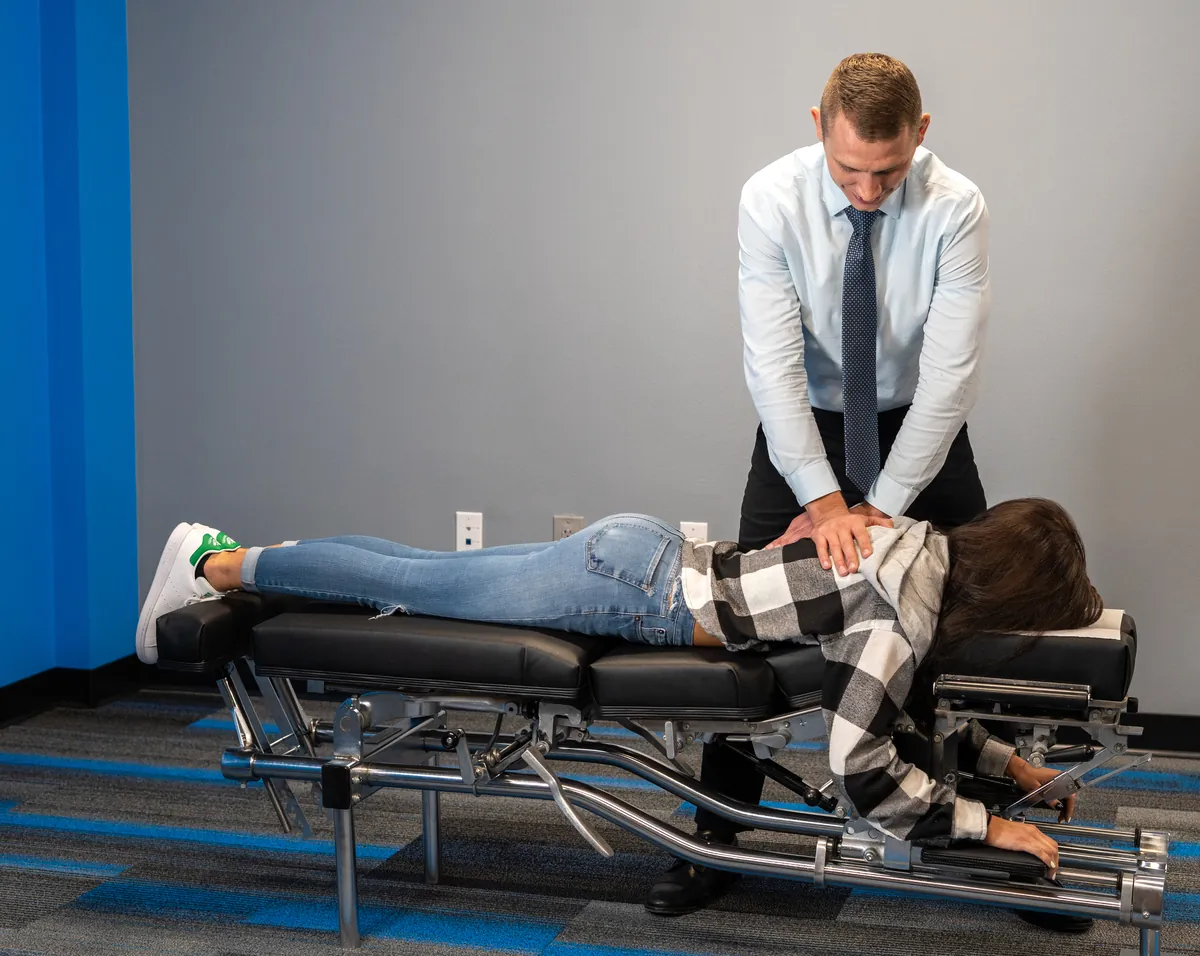
The primary tool in chiropractic care is the spinal adjustment (also called spinal manipulation). This is a precise, controlled force applied to specific joints in the spine to restore normal motion, reduce nerve irritation, and support the body’s natural healing process. Evidence from organizations like the American College of Physicians and the National Center for Complementary and Integrative Health suggests that spinal manipulation can be an effective option for managing both acute and chronic low back pain as part of a conservative care plan.
At Stonelake Chiropractic in Austin, TX, care doesn’t stop at the adjustment. Dr. Jacoby Bergeron may incorporate soft tissue work, corrective exercises, postural coaching, and ergonomic recommendations depending on what each patient needs. The goal is always to help the spine move well, reduce pain, and support long-term function — not just provide temporary relief.
Chiropractic care is particularly well-suited for mechanical back pain — pain that arises from the joints, muscles, and structural components of the spine. It is not a replacement for emergency medical care, and a good chiropractor will always refer out when a condition falls outside their scope of practice.
Practical Tips to Support a Healthier Back
While professional care is important, there’s quite a bit you can do on your own to support your back between visits — and to reduce the likelihood of pain coming back.
Move more frequently throughout the day. If you work at a desk, aim to stand, stretch, or walk for a few minutes every 45 to 60 minutes. This simple habit takes pressure off the lumbar discs and keeps circulation moving through the spinal tissues.
Pay attention to your posture when sitting. Your feet should rest flat on the floor, your knees should be roughly level with your hips, and your lower back should have gentle support — either from a lumbar pillow or an ergonomically designed chair. Avoid slumping forward toward your screen.
Strengthen your core consistently. You don’t need a gym membership — basic movements like bridges, bird-dogs, and dead bugs can meaningfully improve the muscular support around your spine. Ask Dr. Jacoby Bergeron or the team at Stonelake Chiropractic about exercises appropriate for your specific situation.
Stay hydrated. The intervertebral discs rely on adequate water content to maintain their height and shock-absorbing capacity. It’s a simple, often-neglected piece of back health that makes a real difference over the long term.
When to See a Chiropractor
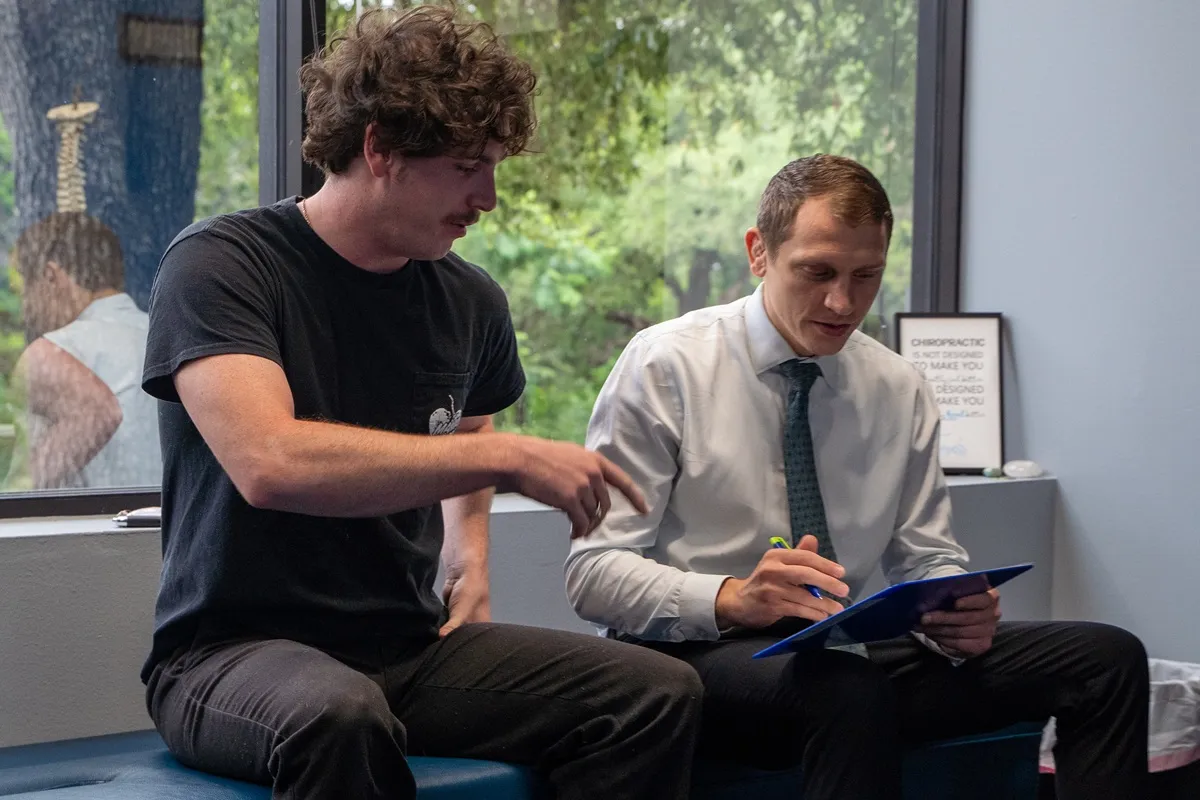
Many people wait far too long before seeking care for back pain. If your discomfort has persisted for more than a week or two without improvement, it’s a good idea to get evaluated. The sooner the underlying cause is identified, the easier it generally is to address.
You should also consider seeing a chiropractor if your back pain is affecting your sleep, limiting your ability to work or exercise, or if you notice it recurring regularly even after periods of relief. These patterns often indicate that the root mechanical issue hasn’t been fully resolved.
However, certain symptoms should prompt you to seek medical attention right away rather than a chiropractic visit. These include back pain accompanied by loss of bladder or bowel control, severe pain following a significant trauma (like a car accident or fall), unexplained weight loss alongside back pain, or pain associated with numbness or weakness that is rapidly worsening. These may indicate conditions that require immediate medical evaluation.
Back Pain at a Glance: Common Causes & Contributing Factors
|
Type of Back Pain |
Common Cause |
Key Contributing Factors |
Chiropractic Relevance |
|---|---|---|---|
|
Muscle Strain |
Overexertion, lifting, sudden movement |
Poor mechanics, weak core, fatigue |
High — soft tissue and joint care |
|
Spinal Joint Dysfunction |
Restricted or misaligned facet joints |
Poor posture, sedentary habits, repetitive strain |
High — core focus of chiropractic adjustment |
|
Herniated Disc |
Disc material pressing on a nerve |
Heavy lifting, disc degeneration, poor posture |
Moderate — depends on severity |
|
Degenerative Disc Disease |
Age-related disc wear |
Genetics, long-term poor posture, dehydration |
Moderate — supportive and maintenance care |
|
Postural Imbalance |
Abnormal spinal curvature or asymmetry |
Sedentary lifestyle, prolonged sitting, muscle imbalance |
High — corrective and postural rehabilitation |
|
Stress-Related Tension |
Chronic nervous system activation |
Work stress, poor sleep, anxiety |
Moderate — care combined with lifestyle guidance |
Myths vs. Facts About Back Pain
Myth: You should rest in bed until back pain goes away.
Fact: Extended bed rest can actually slow recovery. Research consistently supports staying gently active during most episodes of back pain. Light movement helps maintain circulation, prevents muscle weakening, and supports faster healing. Resting is fine for a day or two, but prolonged inactivity tends to make things worse, not better.
Myth: Back pain always means something is seriously wrong with your spine.
Fact: The vast majority of back pain episodes are mechanical in nature — meaning they stem from how the spine and its surrounding structures are moving and functioning, not from dangerous underlying disease. While it’s important to rule out serious causes, most back pain responds well to conservative care like chiropractic treatment, exercise, and lifestyle adjustments.
Myth: Imaging (X-rays or MRIs) always reveals the cause of back pain.
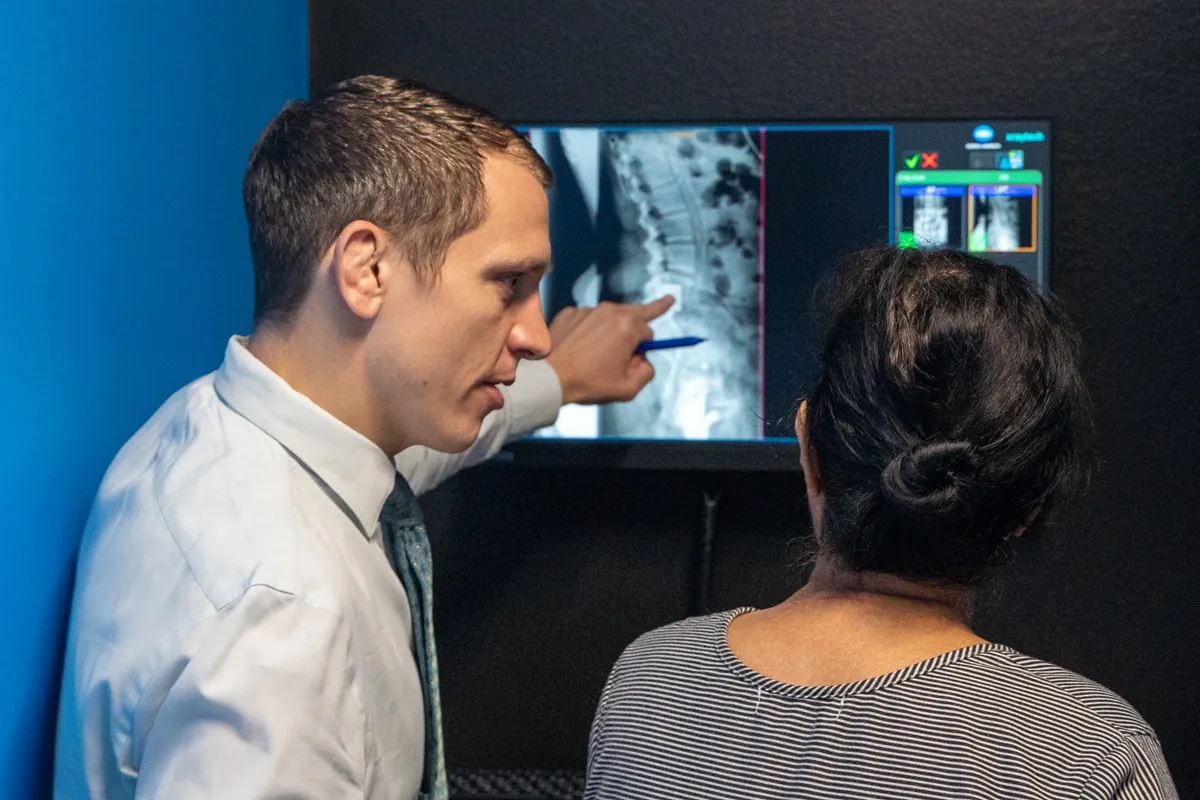
Fact: Imaging is a useful tool, but it doesn’t tell the whole story. Many people have significant findings on an MRI — like disc bulges or degeneration — and feel no pain at all. Conversely, someone in significant pain may have imaging that appears relatively normal. A thorough physical and functional evaluation is often more informative than imaging alone.
Myth: Chiropractic adjustments are dangerous for the back.
Fact: When performed by a trained, licensed chiropractor, spinal adjustments are considered a safe and evidence-supported treatment option for back pain. Serious adverse events are rare. Organizations including the World Health Organization recognize chiropractic as a legitimate component of musculoskeletal care when appropriately applied.
Myth: Back pain is just a normal part of getting older that you have to accept.
Fact: While some degenerative changes in the spine are a natural part of aging, chronic, debilitating back pain is not something you simply have to accept. Many older adults experience significant improvement in back pain through chiropractic care, exercise, and lifestyle modifications. Age is not a barrier to feeling better.
Final Thoughts
Back pain is complicated — but understanding where it comes from makes a tremendous difference in how effectively you can address it. Whether your discomfort is rooted in a spinal joint that’s lost its normal motion, a disc that’s under pressure, a muscle strain from an old injury, or the cumulative effects of years of desk work, there are real, evidence-based options available to help you feel better and move more freely.
Here at Stonelake Chiropractic in Austin, TX, Dr. Jacoby Bergeron approaches every patient as an individual. No two spines are exactly alike, and no two cases of back pain are exactly the same. The goal is always to understand what’s actually driving your discomfort, address it at its source, and give you the tools to maintain a healthier back long after you leave the office.
If you’ve been struggling with back pain — whether it’s something new or something you’ve been managing for years — we’d love to help you get some answers. You deserve to understand what’s happening in your body and to feel confident about your path forward. The Austin community deserves access to thoughtful, patient-centered care, and that’s exactly what we aim to provide every single day.
Frequently Asked Questions
What are the most common back pain causes in adults?
The most common causes include muscle and ligament strains, spinal joint dysfunction, herniated or bulging discs, degenerative disc changes, and postural imbalances. Lifestyle factors like prolonged sitting, weak core muscles, and chronic stress are also significant contributors in many adults.
Can a chiropractor help with all types of back pain?
Chiropractic care is particularly effective for mechanical back pain — pain stemming from the joints, muscles, and structural components of the spine. It may not be the primary treatment for all back conditions, and a qualified chiropractor will refer out when appropriate. Dr. Jacoby Bergeron at Stonelake Chiropractic evaluates each patient carefully to determine the right course of care.
How long does back pain typically last?
Acute back pain often resolves within a few days to a few weeks with appropriate care and activity modification. Subacute pain may last six to twelve weeks. Pain that persists beyond twelve weeks is considered chronic and typically benefits from a more structured treatment plan addressing underlying causes.
Is it safe to exercise with back pain?
In most cases, gentle movement and appropriate exercise are encouraged even when experiencing back pain. Staying active helps prevent further deconditioning and supports healing. However, specific exercises should be guided by a professional — not all movements are appropriate for every type of back pain, and the wrong exercise can sometimes aggravate symptoms.
When should I go to the ER for back pain instead of seeing a chiropractor?
Seek emergency care immediately if your back pain is accompanied by loss of bladder or bowel control, follows a serious trauma, is associated with rapidly worsening leg weakness or numbness, or comes with fever and unexplained weight loss. These can be signs of conditions that require urgent medical attention.
How does posture affect back pain?
Poor posture places sustained, uneven stress on the spinal joints, discs, and muscles — and over time, this contributes to pain, stiffness, and dysfunction. Correcting posture is one of the most impactful long-term strategies for reducing back pain, and it’s something Dr. Jacoby Bergeron addresses regularly with patients at Stonelake Chiropractic in Austin.
TL;DR
-
Back pain has many possible causes — the most common include muscle strain, spinal joint dysfunction, disc issues, and postural imbalances.
-
Lifestyle factors like prolonged sitting, weak core muscles, poor sleep posture, and chronic stress play a significant role in both causing and maintaining back pain.
-
Chiropractic care offers a non-invasive, drug-free approach to identifying and treating the mechanical sources of back pain.
-
Most back pain is not dangerous, but certain symptoms — like loss of bladder control or rapidly worsening weakness — require emergency medical attention.
-
At Stonelake Chiropractic in Austin, TX, Dr. Jacoby Bergeron provides individualized care aimed at addressing the root cause of your discomfort, not just the symptoms.

Dr. Jacoby: Your Trusted Austin Chiropractor. Greetings from Dr. Jacoby, your dedicated chiropractor in the vibrant city of Austin, Texas! Let me share a bit about my journey and passion for chiropractic care as I embark on this exciting new chapter of serving the Austin community.