The Cost of Poor Posture You Don’t See Until Later in Life
Most people think of poor posture as a cosmetic concern — something that makes you look slouched or tired. But the truth is, the real cost of poor posture has very little to do with how you look and everything to do with how your body functions over time. The effects often build quietly, like interest on a debt, and by the time most people feel them, the damage has been accumulating for years. Here in Austin, TX, Dr. Jacoby Bergeron at Stonelake Chiropractic sees this pattern regularly — patients in their 40s, 50s, and beyond who are surprised to learn that the neck pain, headaches, or limited mobility they’re experiencing today may be traced back to postural habits formed decades earlier.
What exactly is “poor posture,” and why does it matter long-term?
Poor posture refers to any sustained body position that places unnecessary stress on muscles, joints, ligaments, and the spine. It’s not just slouching at your desk — it includes forward head position, rounded shoulders, anterior pelvic tilt, and more. Over time, these misalignments create cumulative wear on your body’s structures that can lead to pain, dysfunction, and reduced quality of life.
What Poor Posture Actually Does to Your Body
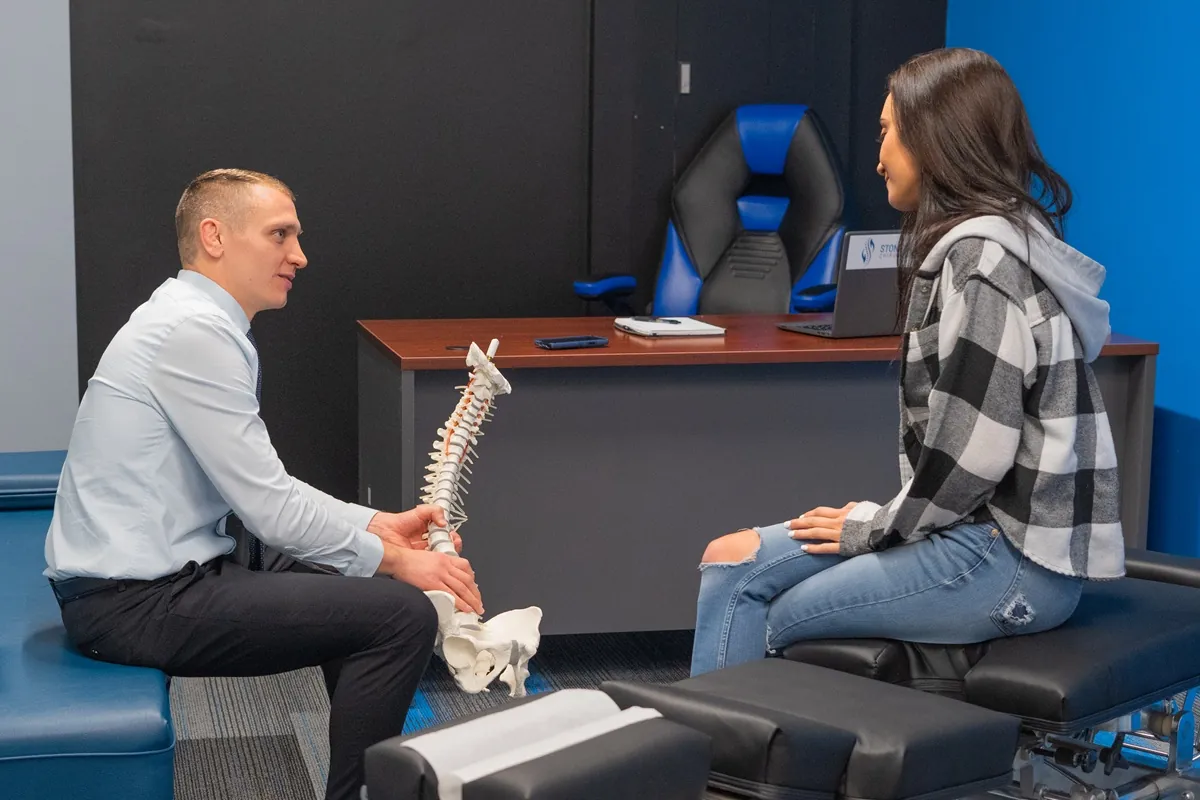
Your spine is designed with natural curves — a gentle forward curve in the neck (cervical), a backward curve in the mid-back (thoracic), and a forward curve in the low back (lumbar). These curves work together to distribute the load of your body weight evenly and absorb shock with every step you take. When posture is consistently poor, these curves begin to shift. And when the curves shift, everything attached to them — muscles, nerves, discs, and joints — is affected.
One of the most well-documented effects is what happens to the cervical spine when the head moves forward. For every inch the head travels forward from its neutral position, the effective weight it places on the neck roughly doubles. A head that normally weighs 10–12 pounds can exert significantly more force on the cervical spine when held even slightly forward. Over years of smartphones, desk work, and driving, this positional stress becomes the new normal — and the body adapts in ways that are difficult to reverse without intervention.
Muscles respond to sustained postures by lengthening on one side and shortening on the other. Tight chest muscles pull the shoulders forward. Weakened deep neck flexors allow the chin to jut out. Overworked spinal muscles develop trigger points and fatigue. This isn’t a one-time injury — it’s a slow, progressive process that most people don’t feel until it’s already well underway.
Common Causes of Poor Posture in Modern Life
It would be easy to blame poor posture entirely on laziness or lack of effort, but that misses the bigger picture. Many of the environments we live and work in are simply not designed with spinal health in mind. Here in Austin, like so many cities across the country, the majority of people spend a significant portion of their day sitting — at a desk, in a car, on a couch — and our bodies are paying the price.
Prolonged sitting is one of the most significant contributors to poor postural habits. When we sit, especially without lumbar support, the natural curve of the low back tends to flatten or reverse. The hips tighten. The glutes become underactive. And gradually, the pelvis tilts in ways that create a chain reaction up through the entire spine. Add to this the constant downward gaze at a phone screen, and you’ve built a recipe for long-term spinal stress.
Occupational demands also play a significant role. Trades workers who carry heavy loads on one side, office workers who favor one arm over a keyboard, and people who stand on hard floors for hours — all develop postural compensations that can quietly accumulate into significant dysfunction. Even stress plays a role: when we’re anxious or under pressure, we tend to tense and round our shoulders, tighten our neck, and breathe more shallowly. Over time, these stress responses become ingrained postural patterns.
The Long-Term Consequences You Don’t Expect
The consequences of years of poor posture often catch people off guard because they don’t announce themselves immediately. Instead, they tend to surface gradually — sometimes in ways that don’t seem obviously connected to posture at all. Dr. Jacoby Bergeron at Stonelake Chiropractic frequently works with Austin residents who came in for one complaint, only to discover that their posture was a contributing factor to several overlapping issues.
Chronic neck and back pain are the most commonly recognized consequences, but they’re just the beginning. Degenerative joint changes — sometimes referred to as osteoarthritis of the spine — can accelerate when mechanical stress is distributed unevenly across spinal joints for years. Intervertebral discs, which rely on movement and proper loading to stay hydrated and healthy, can thin and become more prone to herniation or bulging when posture consistently compresses certain segments.
Headaches are another consequence many people don’t connect to posture. Tension in the muscles of the upper neck and base of the skull — often driven by forward head carriage — can refer pain into the head and behind the eyes. People spend years treating these headaches with over-the-counter pain relievers without addressing the underlying postural driver.
Perhaps most surprising to many patients is the effect poor posture can have on breathing and even digestion. A collapsed, forward-rounded posture compresses the thoracic cavity, limiting how fully the diaphragm can expand. Reduced lung capacity, shallow breathing, and even issues related to abdominal compression have been associated with significant postural deviations. These are the costs most people truly don’t see coming.
How Chiropractic Care Fits Into Postural Health
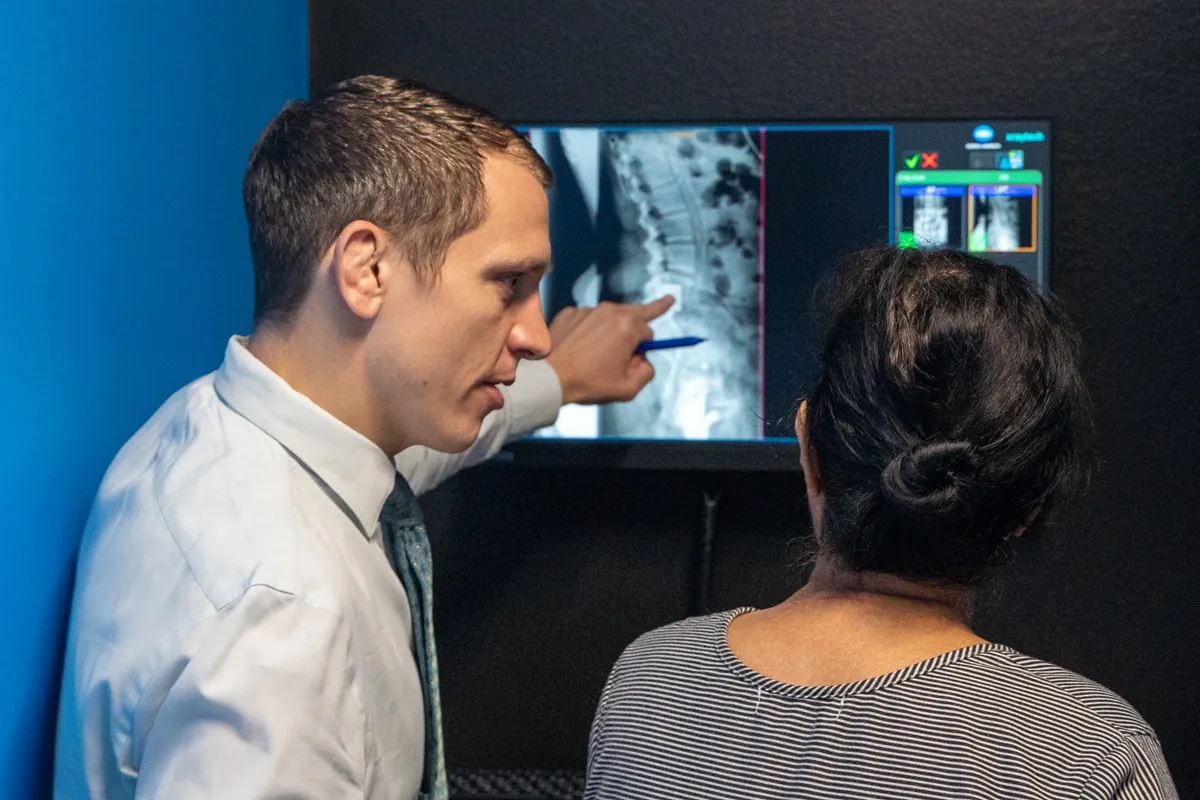
Chiropractic care offers a non-invasive, drug-free approach to addressing the musculoskeletal effects of poor posture. Rather than simply masking symptoms, the goal is to identify and address the underlying structural and functional issues that poor posture creates over time. At Stonelake Chiropractic in Austin, TX, Dr. Jacoby Bergeron takes a thorough approach to understanding each patient’s posture and movement patterns before developing a care plan tailored to their specific needs.
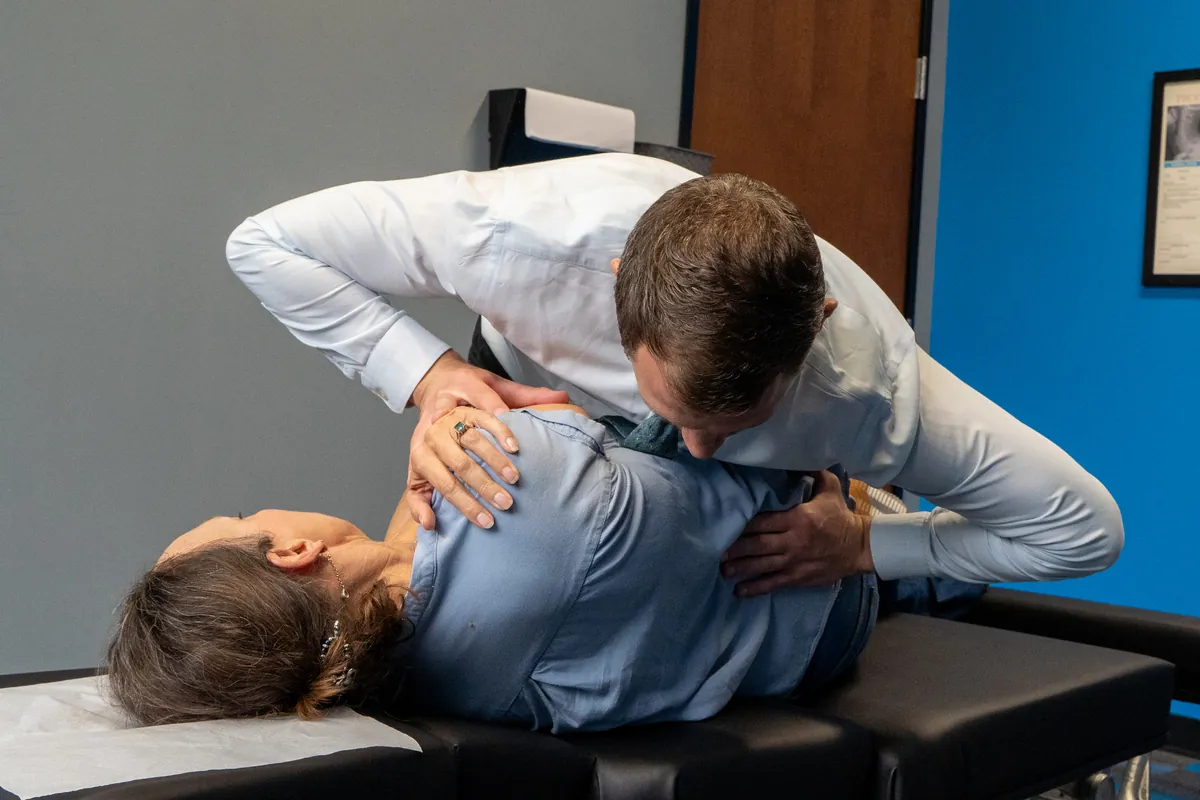
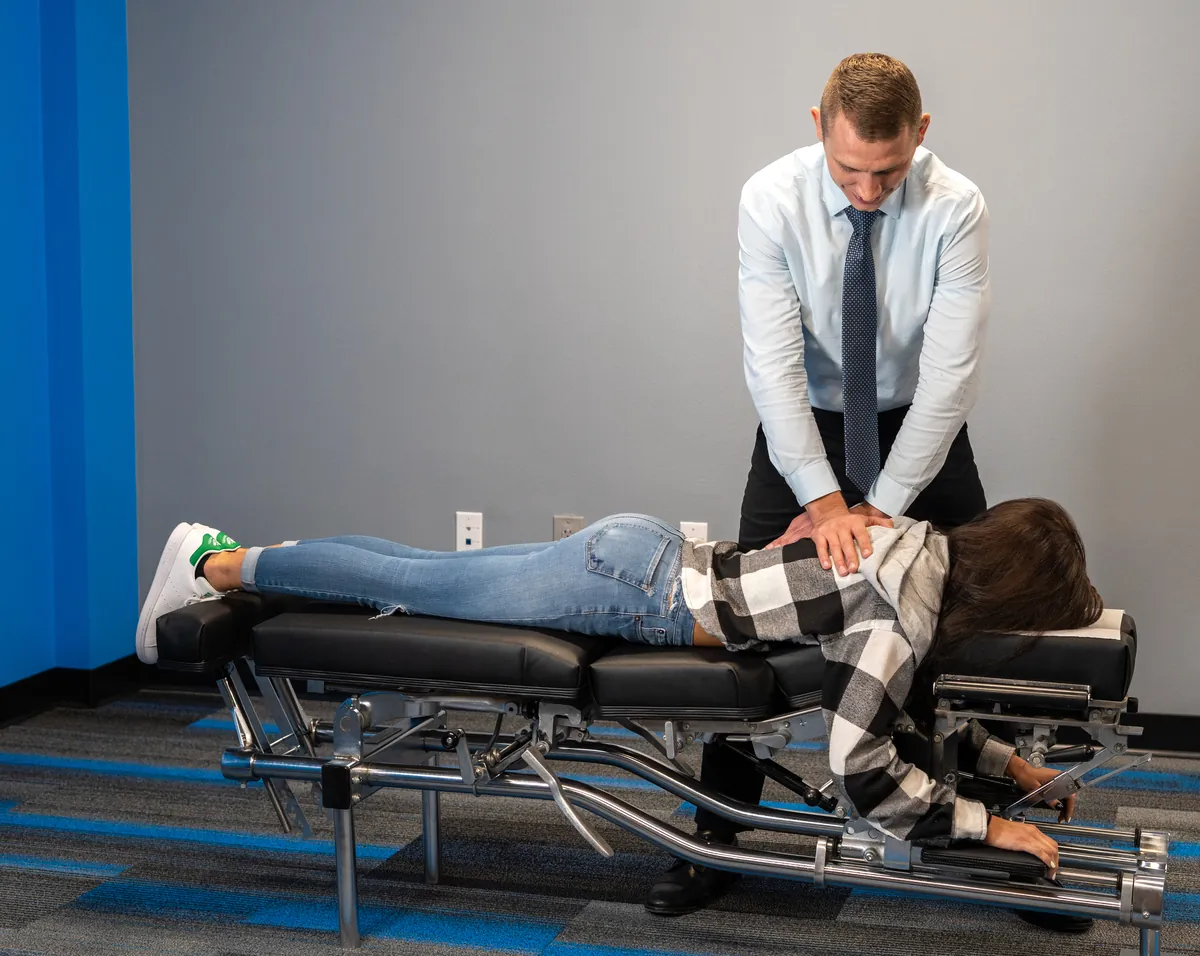
Chiropractic adjustments are one tool in this process. When spinal joints become restricted or misaligned — which often happens as a direct result of sustained postural stress — they can affect how the nervous system communicates and how surrounding muscles function. Restoring mobility to those joints through gentle, specific adjustments can help reduce tension, improve range of motion, and support better postural alignment over time.
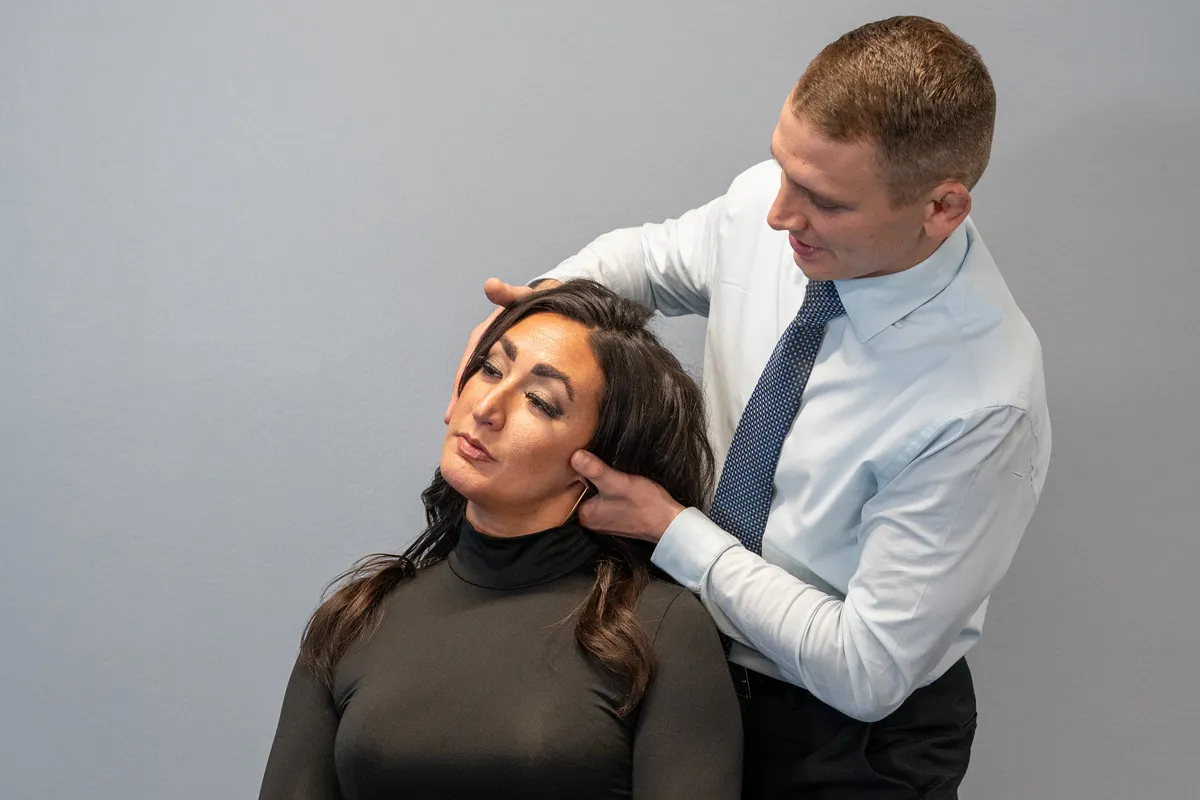
But chiropractic care for posture-related issues doesn’t stop at the adjustment table. Soft tissue work, corrective exercises, and postural re-education are important components of a comprehensive plan. The American Chiropractic Association recognizes that posture and spinal health are closely linked, and evidence from conservative care research supports the value of a multimodal approach — one that combines hands-on care with patient education and lifestyle modifications.
Many patients at Stonelake Chiropractic are surprised to learn how much progress is possible when they actively participate in their care. Postural changes take time and consistency, but with guidance and regular check-ins, meaningful improvement is achievable at nearly any age.
Practical Tips to Protect Your Posture Now
One of the most empowering things you can do for your long-term health is to start paying attention to your posture today — regardless of your age or how many years of poor habits you might be working against. Small, consistent changes accumulate just like the damage from poor posture does — only in a more positive direction.
Start with your workstation. If you work at a desk, your monitor should be at approximately eye level so your head doesn’t drop forward or tilt back. Your feet should rest flat on the floor, and your lower back should have gentle support from your chair. Even a small lumbar roll can make a meaningful difference in how your spine holds up through a long workday.
Movement breaks are arguably more important than having a perfect chair. Sitting still — even in a well-supported position — loads the spine in a single pattern for too long. Setting a timer to stand, walk, or do a few gentle movements every 30 to 45 minutes keeps the spinal tissues hydrated, reduces muscle fatigue, and prevents the kind of postural creep that happens when we settle into gravity for hours at a time.
Be mindful of your phone habits. Holding your phone at chest or eye level rather than looking down at it in your lap can significantly reduce the strain on your cervical spine over time. It feels awkward at first, but it becomes habitual quickly — and your neck will thank you years from now.
Strengthening the muscles that support good posture is equally important. The deep core muscles, the muscles of the mid-back, and the deep neck flexors all play a role in maintaining spinal alignment. A chiropractor or physical therapist can guide you toward exercises appropriate for your specific postural needs — rather than generic advice that may not address your individual pattern.
When to See a Chiropractor About Your Posture
Many people wait until pain becomes severe before seeking care, but posture-related problems often respond best when addressed early. If you’ve noticed persistent stiffness in your neck or back, recurring headaches, shoulder tension that doesn’t fully release with stretching, or a sense that your head is sitting further forward than it used to — those are meaningful signals worth paying attention to.
If you find yourself fatiguing quickly when sitting upright, or if your posture has visibly changed over the years (a more rounded upper back, a forward-leaning head position), a chiropractic evaluation can provide valuable insight into what’s happening structurally and functionally. Dr. Jacoby Bergeron and the team at Stonelake Chiropractic in Austin, TX are experienced in postural assessments and can help you understand what’s contributing to what you’re feeling.
There are some symptoms that warrant prompt medical attention rather than — or in addition to — chiropractic care. These include numbness or tingling running down the arms or legs, significant weakness in the limbs, loss of bladder or bowel control, or severe pain following trauma. These are red flags that should be evaluated by a medical doctor to rule out serious underlying causes before beginning conservative care.
Myths vs. Facts About Poor Posture
Myth: Poor posture only causes back pain.
Fact: While back pain is a common consequence, poor posture can contribute to headaches, jaw tension, reduced breathing capacity, nerve-related symptoms in the arms, and even digestive discomfort. The effects of sustained postural stress extend well beyond the spine itself.
Myth: If you don’t feel pain, your posture must be fine.
Fact: Pain is often the last symptom to appear, not the first. Structural changes in the spine — including disc thinning and joint degeneration — can develop over years without producing significant pain until a tipping point is reached. The absence of pain does not mean the absence of a problem.
Myth: You can fix poor posture just by “trying to sit up straight.”
Fact: Conscious effort to sit up straight is helpful, but it’s rarely sufficient on its own. Long-standing postural patterns involve muscle imbalances, joint restrictions, and neuromuscular habits that typically require structured intervention — including manual therapy, targeted exercise, and environmental modifications — to address effectively.
Myth: Poor posture is mostly a problem for older people.
Fact: Postural habits form early in life, and the cumulative damage begins well before middle age. Children and young adults are increasingly presenting with forward head posture and thoracic rounding related to screen time. The earlier these patterns are identified and addressed, the better the long-term outcomes tend to be.
Myth: Chiropractic care is only useful once you’re already in pain.
Fact: Chiropractic care can be valuable as a proactive, wellness-oriented approach to spinal health — not just as a reactive response to pain. Regular postural assessments and maintenance care can help identify and address developing issues before they become symptomatic and more complex to manage.
Posture Mistakes vs. Corrections: A Side-by-Side Look
|
Common Posture Mistake |
What It Does to Your Body |
A Better Alternative |
|---|---|---|
|
Head forward, chin jutting out |
Increases compressive load on cervical spine; tightens suboccipital muscles |
Gently tuck chin, align ears over shoulders |
|
Rounded shoulders and sunken chest |
Tightens pectoral muscles; weakens mid-back; reduces respiratory capacity |
Broaden the chest, draw shoulder blades lightly together |
|
Sitting with a flat or reversed lumbar curve |
Increases disc pressure in low back; weakens lumbar stabilizers |
Use lumbar support or a small roll to maintain natural inward curve |
|
Looking down at phone in lap |
Creates sustained cervical flexion; accelerates neck strain over time |
Raise phone to eye level; take regular breaks from screen use |
|
Crossing legs while seated |
Creates pelvic asymmetry; can contribute to hip and low back imbalance |
Keep both feet flat on the floor with hips level |
Final Thoughts from Stonelake Chiropractic in Austin, TX
The cost of poor posture is real — but it’s also largely preventable, and often reversible with the right approach. The key is not waiting until the effects become impossible to ignore. Here in Austin, the team at Stonelake Chiropractic is dedicated to helping our community understand the connection between everyday postural habits and long-term health outcomes. This kind of proactive education is at the heart of what Dr. Jacoby Bergeron and our care team do every day.
You don’t have to have a dramatic injury or debilitating pain to benefit from a postural evaluation. Whether you’re a student spending long hours at a computer, a professional commuting across Austin, or someone who has simply noticed that their body doesn’t feel the way it used to — we’re here to help you understand what’s happening and what you can do about it. Good posture is not about perfection. It’s about giving your body the structural foundation it needs to serve you well for decades to come.
Frequently Asked Questions
Can poor posture be corrected in adults, or is it too late?
Meaningful postural improvement is possible at virtually any age. While the degree and speed of change may vary, adults who commit to corrective exercises, manual care, and environmental modifications consistently see real progress. It’s rarely “too late” to make a positive difference in your spinal health.
How long does it take to improve posture with chiropractic care?
There is no universal timeline, as it depends on the severity of the postural deviation, how long the patterns have been established, and how consistently the patient participates in their care plan. Many patients notice functional improvements — less tension, better range of motion — within the first several weeks, while structural improvements may develop over months of consistent care and exercise.
Is poor posture linked to headaches?
Yes, forward head posture and upper thoracic rounding are commonly associated with tension-type headaches and cervicogenic headaches — headaches that originate from structures in the neck. Addressing the postural drivers of this tension may help reduce headache frequency and intensity for some individuals.
Can children develop posture-related problems?
Absolutely. With increased screen time starting at younger ages, forward head posture and thoracic rounding are appearing in children and adolescents at rates that concern many healthcare providers. Early identification and simple corrective habits can make a significant difference in long-term spinal development.
Do I need to be in pain to see Dr. Jacoby Bergeron at Stonelake Chiropractic?
Not at all. Many patients come to Stonelake Chiropractic in Austin for wellness and preventive care — including postural assessments — before significant pain develops. Catching postural imbalances early gives you the best opportunity to address them before they compound into more complex problems.
How does sitting all day affect my posture long-term?
Prolonged sitting places sustained compressive and shear forces on the lumbar and thoracic spine, encourages hip flexor tightening, reduces glute activation, and promotes a forward-flexed head position — especially when combined with screen use. Over years, these patterns create muscle imbalances and joint restrictions that can meaningfully alter spinal alignment and function.
TL;DR — Key Takeaways
-
Poor posture creates cumulative stress on the spine, muscles, and nerves that often doesn’t produce significant pain until years of damage have already accumulated.
-
Common consequences include chronic neck and back pain, headaches, reduced breathing capacity, accelerated disc and joint wear, and nerve-related symptoms.
-
Modern lifestyle habits — prolonged sitting, smartphone use, and stress — are major contributors to poor postural patterns at all ages.
-
Chiropractic care from Dr. Jacoby Bergeron at Stonelake Chiropractic in Austin, TX offers a non-invasive, individualized approach to addressing postural imbalances through adjustments, soft tissue care, and corrective guidance.
-
The best time to address poor posture is before it becomes painful — small, consistent changes made today can protect your long-term spinal health and quality of life.

Dr. Jacoby: Your Trusted Austin Chiropractor. Greetings from Dr. Jacoby, your dedicated chiropractor in the vibrant city of Austin, Texas! Let me share a bit about my journey and passion for chiropractic care as I embark on this exciting new chapter of serving the Austin community.